
Uh oh – incoming eye roll like how important it is to eat your vegetables. Everyone LOVES to be patronized, right? I kid, I kid. But seriously, I have had so many conversations with patients, athletes, my friends, my family…myself…

Why??
They used to say that stretching was one of the best ways to avoid an injury. (Who are they anyway???) Believe it or not, this has not been able to be supported by the research. Can you believe that? Does it mean that stretching is not useful? No. Does it mean that stretching is NOT a great way to avoid injury? No! It just might not be useful in the ways we think it is. It is less that the performance of stretching is not useful, it is more that we may not understand the exact cause and effect stretching has on injury prevention and performance yet in the research.

So what?
As nicely summarized on NewCastleSportsMedicine.com (1):
- Stretching does not prevent the most common injuries
- Stretching does improve flexibility
- Stretching pre-game probably reduces muscle power output and may reduce athletic performance
- Stretching may improve muscular strength
- Stretching is not harmful and if you like to stretch you should continue to do so
So – stretching improves flexibility, which in turn may improve muscular strength in the long term. But a key to remember is that stretching immediately pre-game, especially for very long holds and duration, reduces muscle power output and gives you the noodle legs. Therefore, you are starting your event slower and less in control of your legs. Not a great way to go!
And another pointer is that modification of neuromuscular control strategies – i.e.: how you squat, how you land from a jump, how you twist, etc. – can be more impactful than stretching alone on certain injury prevention (2). But much like a lot of the research, we need more research.

So, you’re telling me not to stretch?
No, no, no no no no no. I am not saying that. There is a thing called clinical experience. I have found that most things in life, as well, indicate that balance is key. Too many carrots make your skin turn orange. Too little water consumption makes your bowels turn to stone. You have to find the right mid-point, whether the research has proved it or not. Haven’t we all heard one year eggs are bad for us, and then the next that we should be eating eggs every day? Don’t get me started on the ruse that is coconut oil. Not to mention the people who downplay stretching tend to be people who hate stretching (and usually also cant stand sitting still) and the people who love stretching tend to up-play stretching (Hello all you Yogi’s out there!).
Bottom line
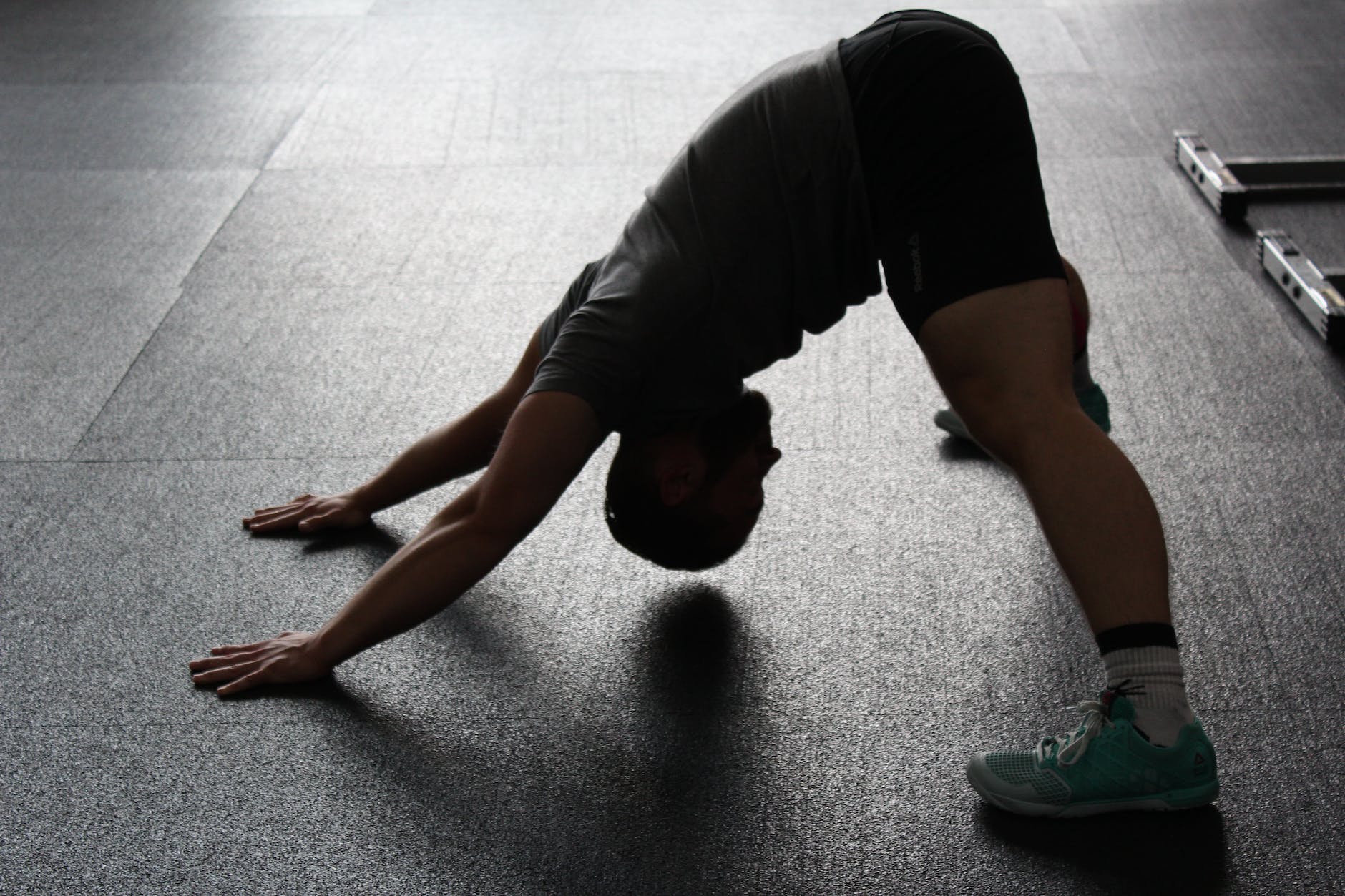
If you’re going to stretch, I recommend stretching for a full 30 second count (not in your head, count on a stopwatch, timer, or phone), rest a few seconds, repeat for a total of 3 times. And do this AFTER you play/exercise. That way you are warm (unlike pre stretching), so the stretches tend to feel better than when your muscles are cold. And you tend to get more out of it because it 1) hurts less 2) you can stretch father with warm muscles. And if you know you have a few muscle groups that are trouble makers – say your hamstrings – spend maybe 1 round of 30 second hold stretches before you play. And focus more on dynamic stretching like Frankenstein kicks. That’s a whole other story for a whole other day. Stay tuned on dynamic stretching tips! Have a great day and remember – you can make small changes in life, every day, to get to where you want to go. You just have to keep your eye on the prize.
Heal today, transform tomorrow. Unlock your potential to heal, learn and grow. – Dr. Barb Wally, LLC
References:
1 – Does stretching prevent injuries? the evidence. Newcastle Sports Medicine. (2017, September 20). https://newcastlesportsmedicine.com.au/injury-prevention/stretching-prevent-injuries-evidence/
2- Hübscher M, Zech A, Pfeifer K, Hänsel F, Vogt L, Banzer W. Neuromuscular training for sports injury prevention: a systematic review. Med Sci Sports Exerc. 2010 Mar;42(3):413-21. doi: 10.1249/MSS.0b013e3181b88d37. PMID: 19952811.
Note: These blog articles are not in exchange for a one on one Physical Therapy visit. Please contact me if you are interested in receiving a Physical Therapy visit!
*This content is original and copyright Dr Barb Wally, LLC*
 Telehealth Physical Therapy