
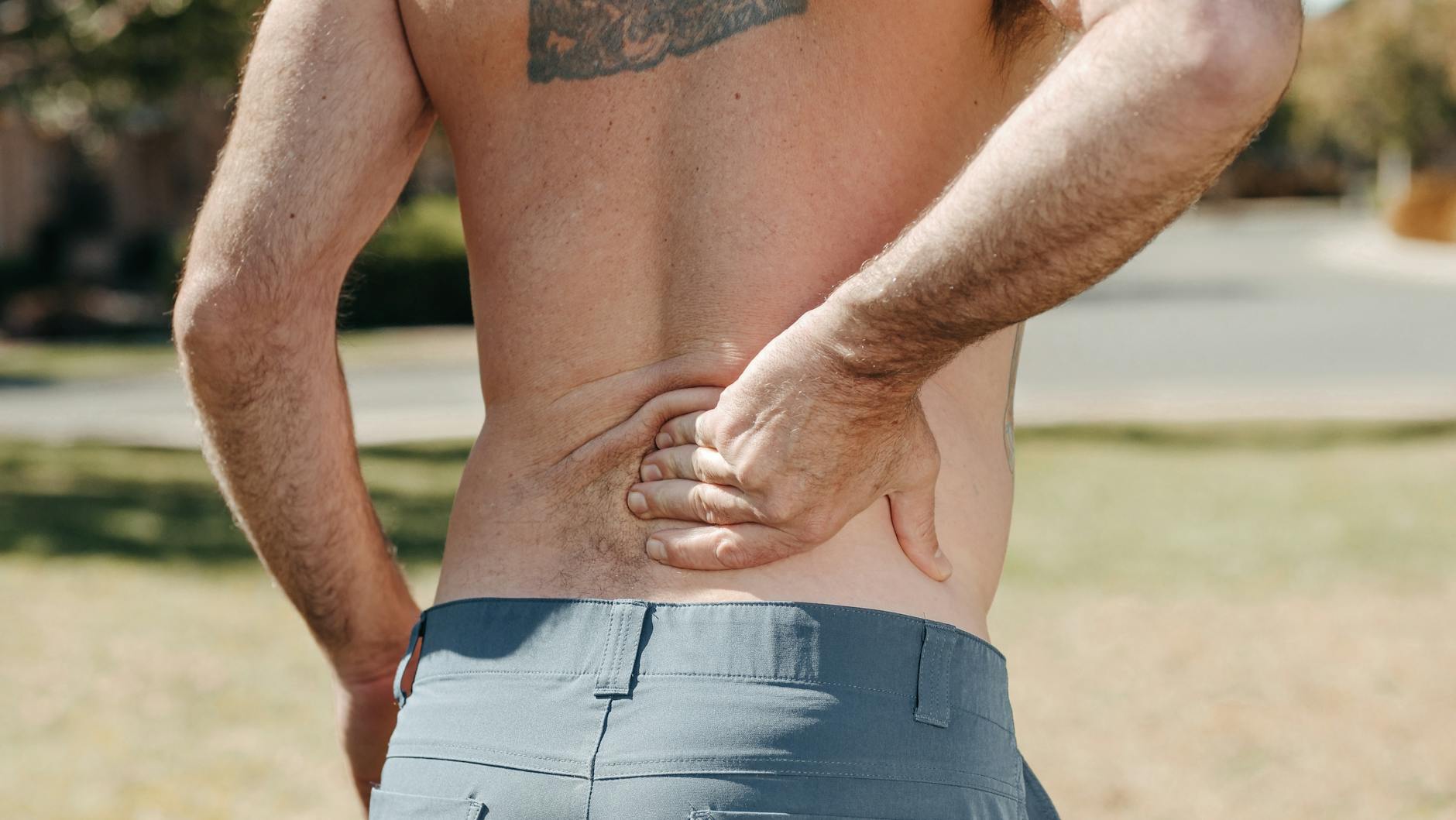
Brace yourselves for this one – but I had to look it up myself. What in the world? We all know that back pain is extremely prevalent throughout society. The “most common type of chronic pain is chronic back pain. In about 85% of cases, no physical cause for the pain—such as arthritis or disk damage—can be found. Such unexplained pain is thought to be caused by brain changes after an injury that persist even after the damage heals” (1). Having treated chronic pain over my many years of practice, I have been aware the power our body has to restrict movement and atrophy large muscle groups (like the quadriceps after an ACL tear due to massive swelling in the knee), all in an effort to let the body heal and recover. It is in essence a built-in protective measure. But if the body continues to send a signal after the injury has healed, the result can be a chronic pain process.
This is how it works – The pain reprocessing therapy (PRT) is an effort to help the brain unlearn the engrained processes that it has learned to perceive pain as a threat. Therapists will help a person do a typically painful movement and help them re-evaluate the sensations they experience, and most importantly help them manage the emotions they might be feeling associated with the pain and in turn make the experience of pain worse. A major emotion I have experienced to negatively impact rehabilitation after injury is fear. It is extremely impactful on how far a patient will allow their body to be pushed as well as their overall rehabilitative process.
Where are you getting this from?
The study being referenced was in 2021 (2) – a team lead by Dr Yoni Ashar and Dr. Tor Wagner enrolled 151 participants with mild to moderate chronic back pain with no perceptible physical cause. The participants were given 1 of three treatments: 1) four weeks of intensive pain reprocessing therapy 2) a placebo injection of saline into the back 3) continuation of care as usual. The participants were able to rate their pain before and after starting treatment, and they also underwent fMRI scans of their brains before and after starting treating. There was a follow up 1 year later as well.
The results? 66% of people who underwent the therapy reported being pain-free or nearly pain-free. Two thirds! Those are pretty good results. Only 20% of those who received the saline injection (also known as the placebo or sham treatment, which, remember, if people really believe something will work, then it will), and 10% of those receiving usual care reported similar improvements. And the results stuck after 1 year.
The results of the brain scans were also remarkable – there was a substantial reduction in brain activity in several regions associated with pain processing. This isn’t suggesting that pain is all in your head, however. What is means is that chronic pain can cause changes in your brain, which change how you react to your pain, and if the pain never goes away, you continue to react to the pain. See what I mean? It is a vicious cycle.

What now? Should I just ignore my pain?
First of all, any good science needs to be reproducible and demonstrated over many years with many studies. This is one study. So take it with a grain of salt – maybe a very valuable grain of salt. Second, my professional and unofficial opinion – Heck no! Don’t ignore your pain! And one of the most marked things to learn is that XRAYs, MRIs, and CT scans are not the end all, be all of being able to “see” when something is wrong. If you pop a rib out, it will not likely show on an XRAY or MRI. If you sprain your back, it is not going to show up unless there is severe swelling. So, if you have an actual injury that needs addressed, a physical therapist can rely on their clinical examination to guide their treatment processes. And, a well-trained physical therapist can help you sort out what is “good pain” and what is “bad pain” with any exercises and activities you perform. I have found this is one of the most powerful tools we can use as physical therapists – helping patients understand what they are feeling. So, maybe I have been using pain reprocessing theory all along and didn’t know it! Go figure!
Heal today, transform tomorrow. Unlock your potential to heal, learn and grow. – Dr. Barb Wally, LLC
References:
- U.S. Department of Health and Human Services. (2021, November 9). Retraining the brain to treat chronic pain. National Institutes of Health. https://www.nih.gov/news-events/nih-research-matters/retraining-brain-treat-chronic-pain
- Effect of Pain Reprocessing Therapy vs Placebo and Usual Care for Patients With Chronic Back Pain: A Randomized Clinical Trial. Ashar YK, Gordon A, Schubiner H, Uipi C, Knight K, Anderson Z, Carlisle J, Polisky L, Geuter S, Flood TF, Kragel PA, Dimidjian S, Lumley MA, Wager TD. JAMA Psychiatry. 2021 Sep 29:e212669. doi: 10.1001/jamapsychiatry.2021.2669. Online ahead of print. PMID: 34586357.
Note: These blog articles are not in exchange for a one on one Physical Therapy visit. Please contact me if you are interested in receiving a Physical Therapy visit!
*This content is original and copyright Dr Barb Wally, LLC*
 Telehealth Physical Therapy