How much is too much??
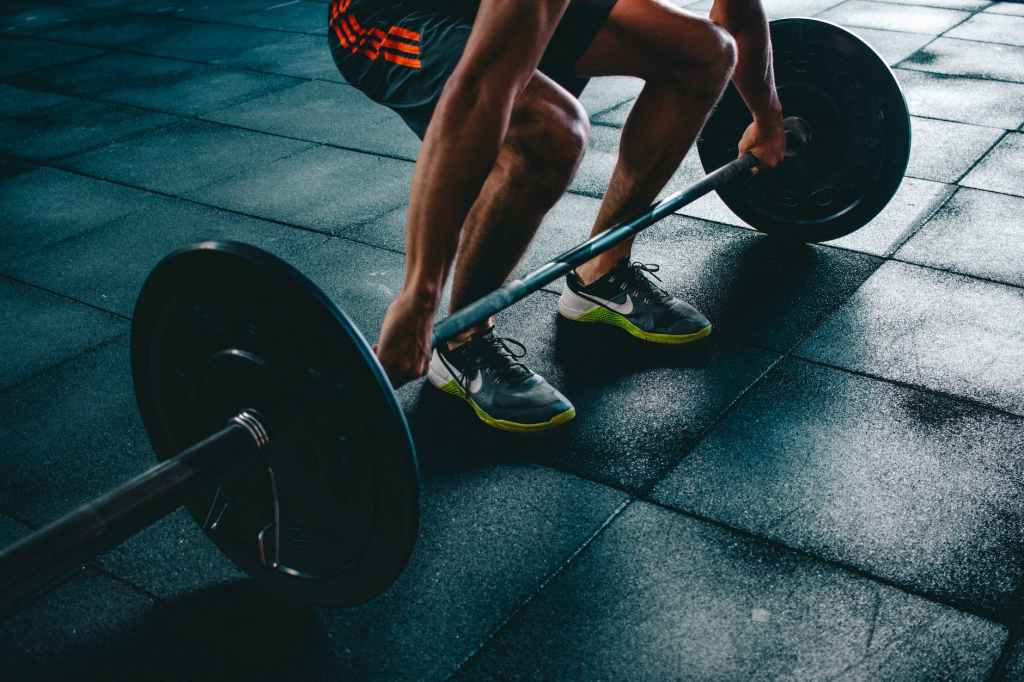
It is an age-old question I have received over many years of practice, and a question I have often asked myself. How much is too much when it comes to exercise and training?
I was on a walk with a dear friend the other day, who I must add is also a physical therapist. We were discussing exercising for health, and how our lives have changed with exercise into our late 30’s versus when we were in our teens and 20’s. We were in agreement on one thing: walking for cardio is WAY easier on our knees and joints overall. But then we started wondering how many people exercise with way too high intensity…and more importantly…why?
Most of us know that 45-60 minutes of exercise a day is recommended, but even as little as 15 minutes a day will reduce mortality risk and extend life expectancy (1). In our sedentary culture, it is more likely for us to NOT reach this level of exercise recommendation. But many who fall into an over exerciser category leap frog over this guidance. Is there a specific number of minutes or specific intensity that is not recommended to avoid overexercise? Not really. Because, much like anything in our lives, how much is too much depends on the individual and how they are doing it.
That being said, there are some red flags to be aware of when you are exercising too hard. These signs or symptoms may include:
- Aches and pains that are not going away and are only getting worse based on intensity of exercise and increasing training demands. Chronic tendinitis is a surefire indicator of overdoing it. Also, stress fractures tend to occur with very sudden and intense increases in activity, and/or inadequate nutrition to support athletic demands.
- Increased muscle soreness that lasts more than 2 days (sometimes muscles are swollen, red, and warm to the touch). (2)
- Decreasing performance that correlates in an opposite direction with increasing exercise intensity and training.
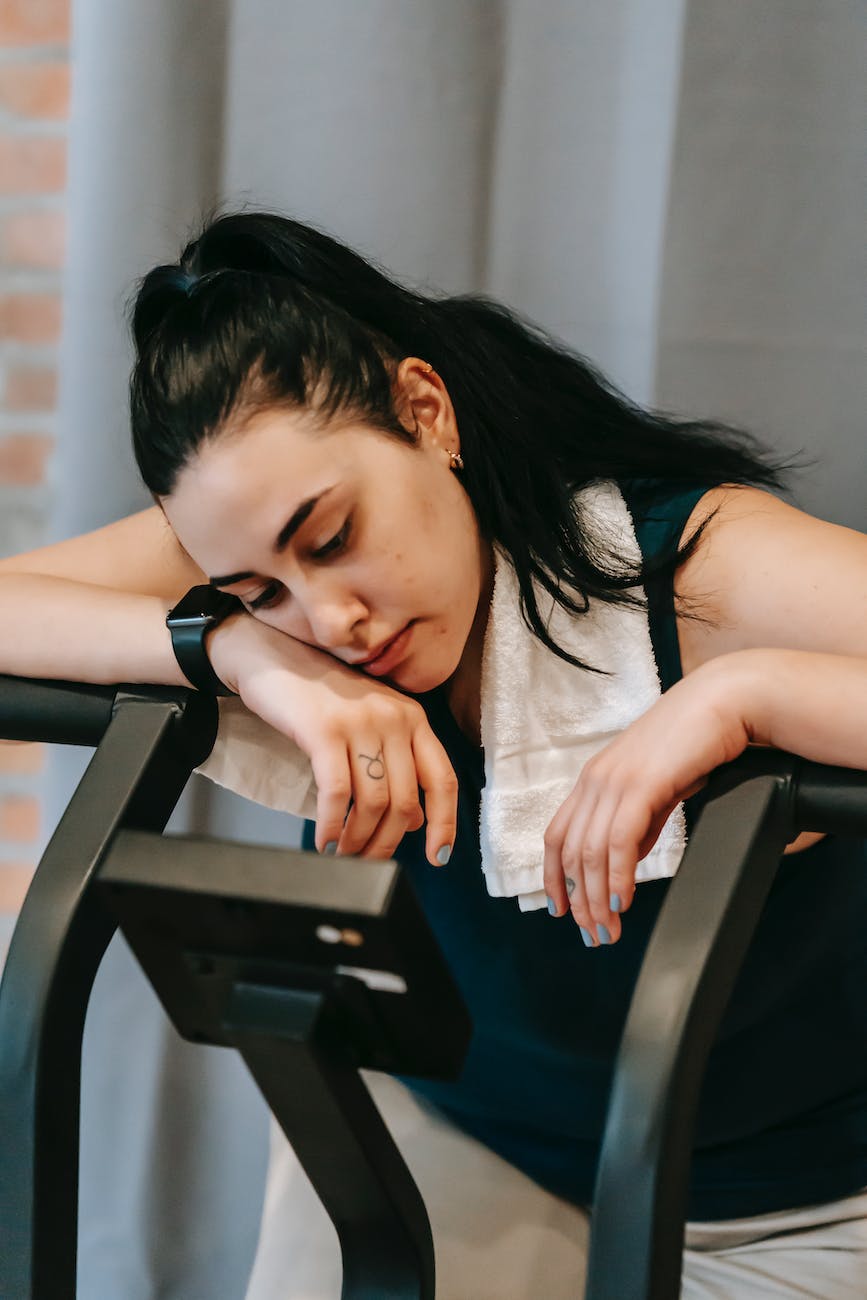
- Fatigue that persists and worsens based on increasing intensity.
- Fat gain! (2) Which often causes people to increase their exercise intensity, and can be further alarming and cause further increasing intensity of exercise, which can cause a nasty cycle of overdoing it.
- Chronic illness – an uptick in colds, infections, and other illness (2) can be a sign of not just physical strain, but also psychological strain.
- For women, a loss of their period (2). For adult women who have relatively regular cycles, this can be an alarming sign.
Why do people tend to overdo?
Exercise addiction can be viewed much like addiction to other substances like alcohol, drugs, or food. It can also mimic many of the brain and body chemistry ideals like more serious substance addiction. A person can crave exercise, and it becomes a problem when it interferes with important parts of our lives and connections to others and ourselves. Or when it is also in correlation with eating disorders such as bulimia, anorexia, and body dysmorphia.
We also cannot ignore the “runner’s high”, or exercise induced euphoria, that is experienced after running or other higher intensity exercise routines. An explanation for this is that exercise activates the dopamine reward system and can contribute to stress-reduction and rush of endorphins and cannabinoids (3). Think of it this way – when you are depressed or are dealing with crippling levels of anxiety in life, exercise can function like a natural anti-depressant. Sounds like a great option to help when life gets tough – as long as we can keep our expectations and exercise dosage in check.
How to do it better next time?
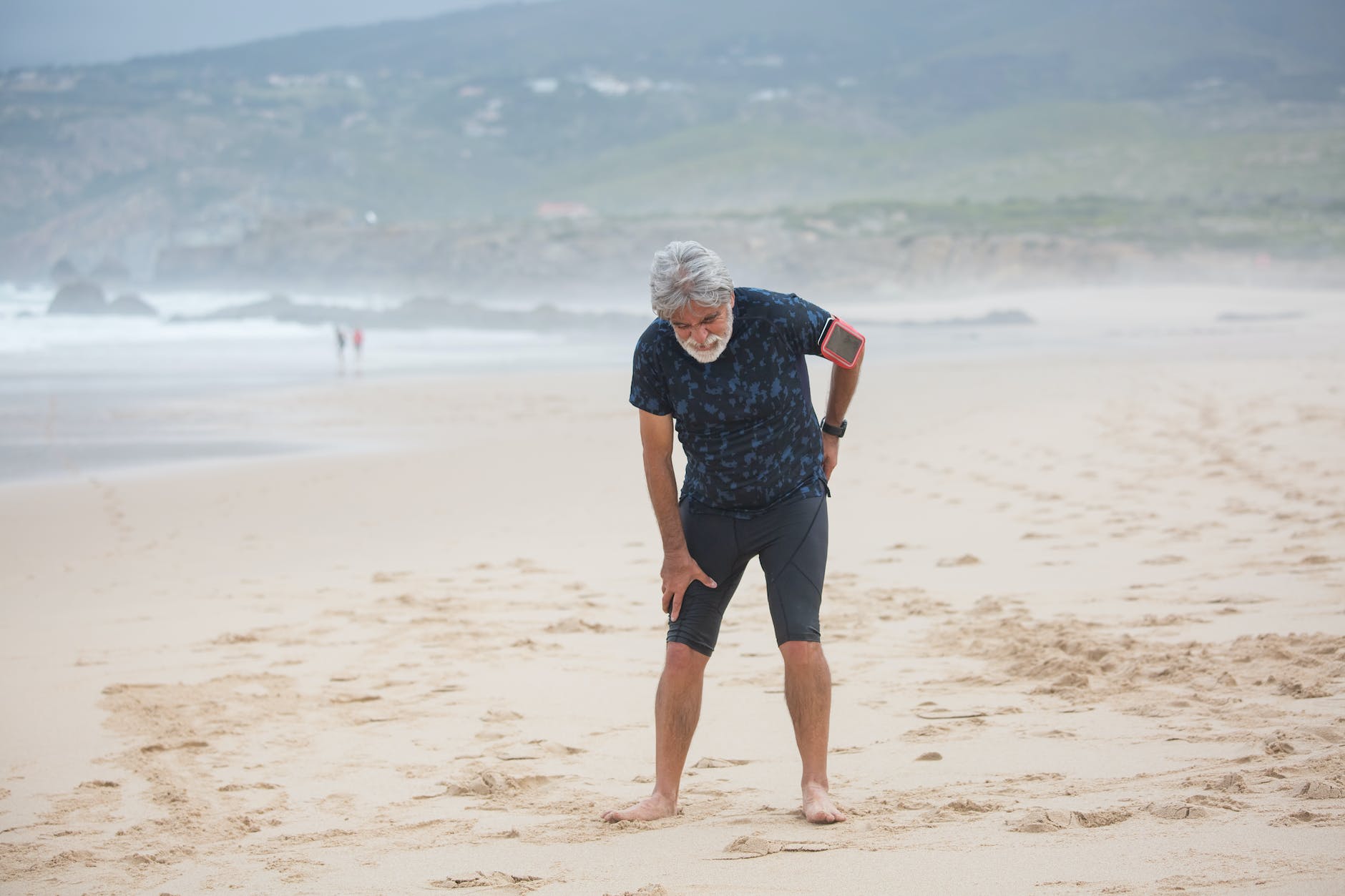
First and foremost, you have got to listen to your body. Pain is a warning mechanism that protects an organism by influencing it to withdraw from harmful stimuli; it is primarily associated with injury or threat of injury (4). Aches and pains should be your first warning signs that something is awry. But also paying attention to those other symptoms and signs like fatigue, slower times and decreased ability to perform today like you did yesterday, and unpleasant changes in in your body like illness.
If you know you aren’t a great listener, you can purchase biometric devices to wear during exercise or throughout the day to let you know if your heart rate, blood pressure, oxygen saturation, and sleep cycles are responding negatively to what is going on in your body and in your life. It can be like a little buddy reminding you to be nice to yourself, and you just have to wear it on your wrist.

My take?
We have 2 ears and 1 mouth (or in this case 1 body!) – we should be spending double the time listening to our bodies and good advice than we do talking about what ails us (or wearing out our parts!). And, as always, don’t forget to consult your doctor, physical therapist, or other healthcare professional for advice if you are stuck!
Heal today, transform tomorrow. Unlock your potential to heal, learn and grow. -Dr. Barb Wally, LLC
References:
1 – Simon HB. Exercise and Health: Dose and Response, Considering Both Ends of the Curve. The American Journal of Medicine. 2015; 128 (11): 1171-1177.
2 – Cleveland Clinic. Signs That Exercise is Actually Hurting Your Health. Updated June 29, 2021.
3 – Columbia Psychiatry. When Exercise Becomes Too Much of a Good Thing. February 16, 2023.
4- Meldrum ML. 2023 Oct 25. Pain. https://www.britannica.com/science/pain
Note: These blog posts are not in exchange for a one on one Physical Therapy visit. Please contact me if you are interested in receiving a Physical Therapy visit!
Note: These blog articles are not in exchange for a one on one Physical Therapy visit. Please contact me if you are interested in receiving a Physical Therapy visit!
*This content is original and copyright Dr Barb Wally, LLC*
 Telehealth Physical Therapy