
Is there a such thing as good pain?
Yes, in fact, there are instances when pain can be a good thing! Have you ever wondered if there is truth to the mantra, “No pain, No gain?”. In my opinion, not really. But, really, it depends. As Americans in today’s digital age, we all tend to be awful about fulfilling our exercise requirements. We sit a lot for our jobs and on a day-to-day basis, and when we exercise it tends to stir up more problems. Or we completely abandon our exercise plans once we get them started. And this includes exercising for health or fitness gains. But whether you fall short, or you are an expert who exercises daily, it helps to know when pain is a good thing or a bad thing.

When is pain a good thing?
Pain is defined by the Oxford dictionary as “physical suffering or discomfort caused by illness or injury”. You got that right – pain is technically a warning sign for impending or current injury. It is a mechanism by which we pull our hand away from the hot stove to protect our sensitive and important tissues from injury. So where do sayings like, “Pain is just weakness leaving the body,” come from? Is it just a sadistic miliary training officer’s idea of fun? Or is there some truth to the saying?
Maybe. The understanding of pain today is that pain is a warning signal designed to alert us to potential damage and to protect us. And as a result of this understanding, we know that feeling pain does not necessarily mean a physical injury has occurred (1). And everyone experiences pain differently – just remember the playground. Some kids fall and scrape their knee and keep running with blood streaming down their leg, while other’s lives may come to a screeching halt and require many lollypops, booboo kisses, and a trip to urgent care.

So how do I know if pain is a good thing or not?
I have encountered this question MANY times over my 13 years of clinic practice. What I have followed, and continue to use a guidance for my patients, is based from what is called “Soreness Rules” (2). They are as follows:
- Soreness during warm-up that continues
- Take 2 days off, drop down 1 level
- Soreness during warm-up that goes away
- Stay at level that led to soreness
- Soreness during warm-up that goes away but redevelops during session
- 2 days off, drop down 1 level
- Soreness the day after lifting (not muscle soreness)
- 1 day off, do not advance program to the next level
- No soreness
- Advance 1 level per week or as instructed by healthcare professional
But you’re probably thinking, “I am never going to remember this”. Well, neither have I. And I had to google it to remember exactly. I think of it this way:
- If you hurt, and its not too intense (say under a 4/10), keep going as long as it doesn’t get worse. ***And remember (for reference) that 10/10 is emergency room, scream at the top of your lungs pain!!!***
- If you hurt, and it is very sharp or intense (say 6/10 or more), stop.
- If you hurt, and it is getting worse, stop.
- If you hurt, and it is much worse after you are done, stop.
- If you hurt, and it goes away! Hooray! Keep going!
- If you don’t hurt, go ahead and advance yourself within reason.

Other considerations
There are other kinds of pain to consider. There is just plain “Ouch” pain like we talked about above. But what about other kinds of pain you encounter with exercise? Like:
- Stretch pain – this is the kind of discomfort associated with stretch and is OK as long as it is not too intense with what you are doing.
- Muscle burn pain – this is the kind of discomfort associated with a strengthening exercise like when you perform an arm curl and your glamour muscles “feel the burn”. This is also OK as long as it is not too intense or too prolonged.
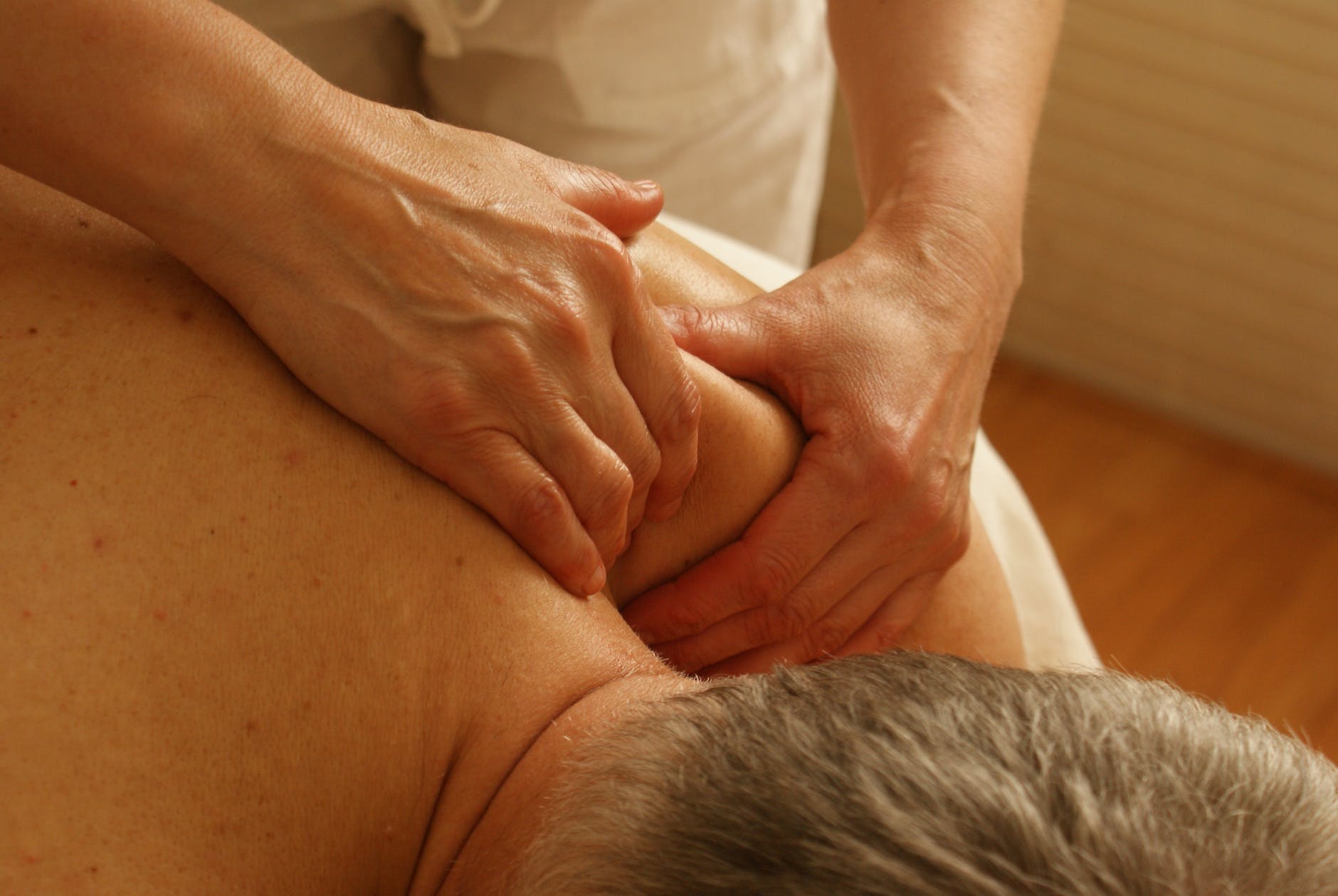
- Hurts so good pain – this is the kind of pain you might feel during a massage when they are working out a knot or trigger point. It hurts but it feels like it needs to be worked out – this is also OK as long as it is not too intense.
What now?
Use your best judgement! If you are new to exercise, or have no idea if the pain you are feeling is a good or bad thing – see a Physical Therapist (like me!) or health care professional for help! Your resources are at your finger tips (and hopefully less painful than what ails you).
Heal today, transform tomorrow. Unlock your potential to heal, learn and grow. – Dr. Barb Wally, LLC
- References:
- Brence J. Chosept.com. 2018. Physical Therapy Guide to Pain. https://www.choosept.com/guide/physical-therapy-guide-pain. Accessed November 2, 2023.
- Fees M, Decker T, Snyder-Mackler L, Axe MJ. Upper extremity weight-training modifications for the injured athlete. A clinical perspective. Am J Sports Med. 1998;26(5):735. Copyright ©1998 SAGE Publications.
Note: These blog articles are not in exchange for a one on one Physical Therapy visit. Please contact me if you are interested in receiving a Physical Therapy visit!
*This content is original and copyright Dr Barb Wally, LLC*
 Telehealth Physical Therapy