
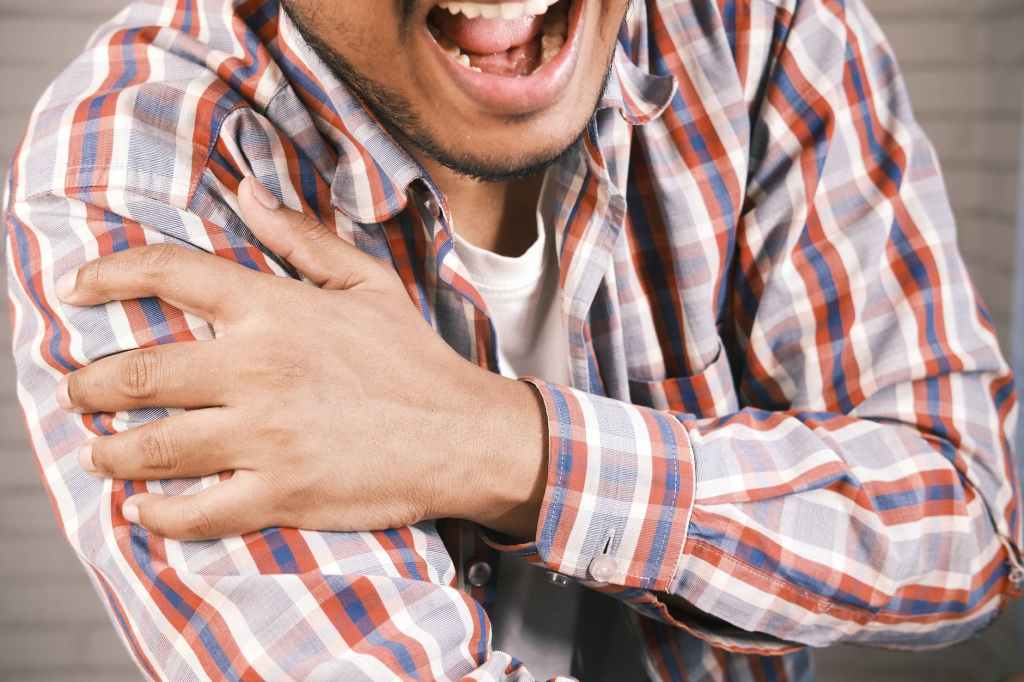
We all know that an injury or physical trauma to the body can cause pain. No one likes to deal with pain and an ongoing injury. But what about psychological trauma? How can this affect your physical being and how you experience pain?

Did you know?
We can hold psychological trauma in our bodies like an acute injury such as an ankle sprain or a chronic injury like low back pain. Our bodies are energy beings and can store psychological trauma like a rechargeable battery. The original trauma can load and install the battery, and that energy can come out when similar triggers crop up later in life. Say you grew up in a home with parents who fought all the time. And the fighting hurt your head due to the sound and the general sensory overload to your developing body. And now you are in your midlife, and anytime you are around someone who screams and fights at the top of their lungs, you experience headaches. And anytime you think about being around this person, you get a headache. This trigger can also recharge that trauma battery that was installed when you were a child. The cycle repeats. Yep, pain and trauma can operate like that.

How often does this occur?
- People who have experienced childhood trauma or suffer from PTSD (Post-Traumatic Stress Disorder) are 10 times more likely to experience chronic pain due to the mind-body connection. In other words, mental and emotional pain can manifest as physical pain (1).
- 90% of women with fibromyalgia and up to 60% of patients with arthritis report trauma at some stage in their lives (2).
- 66% of women with chronic headache report a past history of physical or sexual abuse (3).
- 58% of men and women with migraines report histories of childhood physical or sexual abuse, or neglect (5).
- 56% or more women with chronic pelvic pain also report high rates of sexual abuse in their past (5).

What can you do about it?
One of the most powerful things we can do in life is to shine light on the darkness. Light can act like a disinfectant to clear out any festering, infectious energies in our bodies. If you know where the original trauma came from, and you recognize the effect it has on your life today, you have engaged in step one of controlling your trauma response. But the key is to also recognize the trigger you are experiencing today to cause your pain (ex: thing headaches in the example above). One you recognize it, and label it, then you can make a choice. Do you want to avoid this trigger entirely, maybe avoid this person/experience entirely in your life? OR, Can you choose to ignore this trigger and this person when they are doing the thing that triggers you? There are no perfect answers in life – life is like a choose your own adventure book. Turn to page *** if you want to experience this, turn to page *** if you want to experience this. The choice is yours!

What next?
If this information seems to stir up a lot of questions in you, and you would like to learn more, I highly recommend seeing a therapist who specializes in trauma. Once you have figured out the link between past trauma and your current pain, and would like to seek the assistance of a physical therapist, that is your double whammy! Talk about empowerment.
Heal today, transform tomorrow. Unlock your potential to heal, learn and grow. – Dr. Barb Wally, LLC
References:
- Trauma and Chronic Pain. 2023, November 3. https://www.wakemed.org/care-and-services/emergency-care/trauma-centers/trauma-survivors-network/trauma-your-health/trauma-chronic-pain#:~:text=Trauma%20survivors%20who%20are%20women,to%20the%20mind%2Dbody%20connection.
- Walker, E. A., Keegan, D., Gardner, G., Sullivan, M., Bernstein, D., & Katon, W. J. (1997). Psychosocial factors in fibromyalgia compared with rheumatoid arthritis: II Sexual, physical, and emotional abuse and neglect. Psychosomatic Medicine, 59, 572-577.
- Domino, J. V., & Haber, J. D. (1987). Prior physical and sexual abuse in women with chronic headache: Clinical correlates. The Journal of Head and Face Pain, 27, 310-314.
- Tietjen, G. E., Brandes, J. L., Peterlin, B. L., et al. (2010). Childhood maltreatment and migraine (part I). Prevalence and adult revictimization: A multicenter headache clinic survey. Headache, 50, 20-31.
Note: These blog articles are not in exchange for a one on one Physical Therapy visit. Please contact me if you are interested in receiving a Physical Therapy visit!
*This content is original and copyright Dr Barb Wally, LLC*
 Telehealth Physical Therapy