
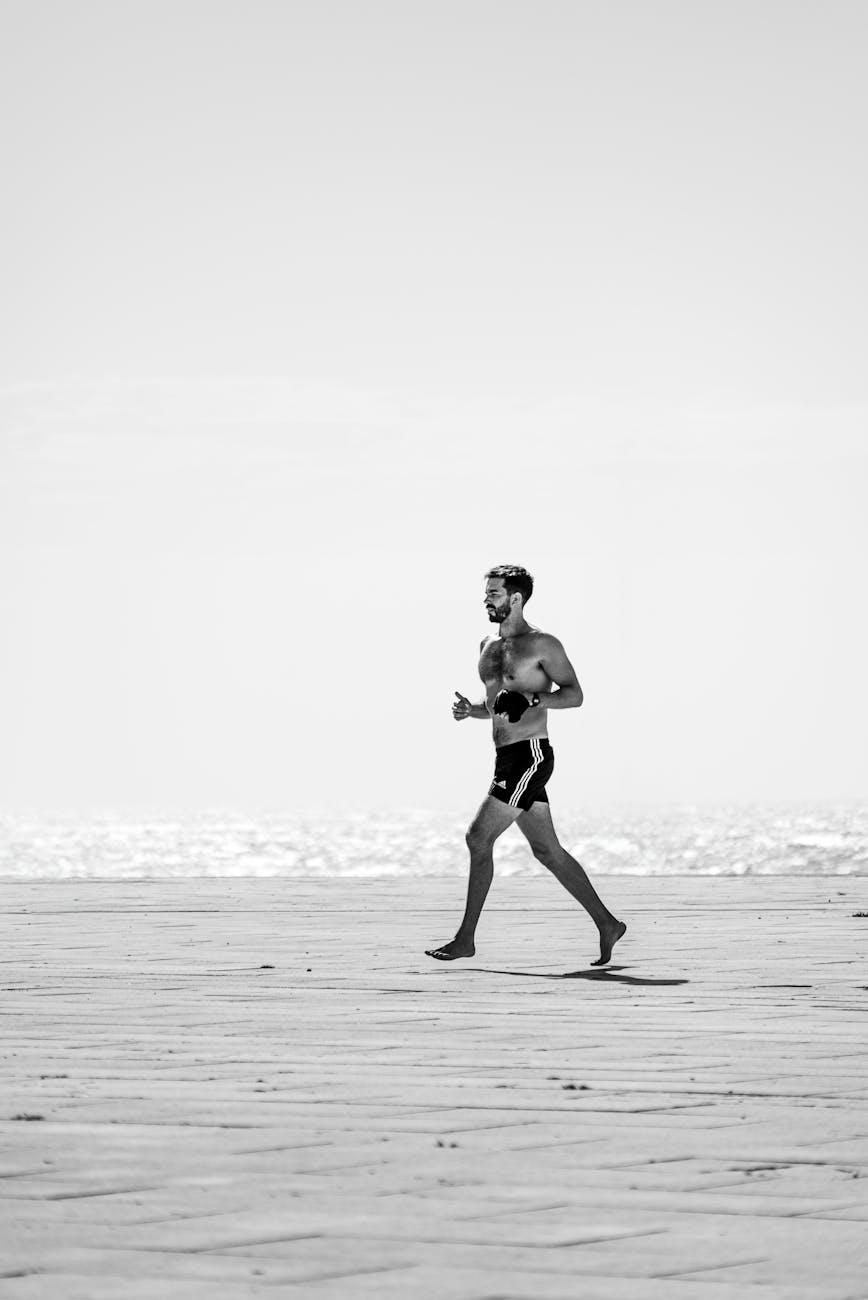
Ok, so this is a little bit of a throwback circa 2000’s. There are ALWAYS exercise fads (current exercise fad 2025 is weighted vests). But I still get this question about barefoot running, or even minimalist shoes for running. Here are your answers!
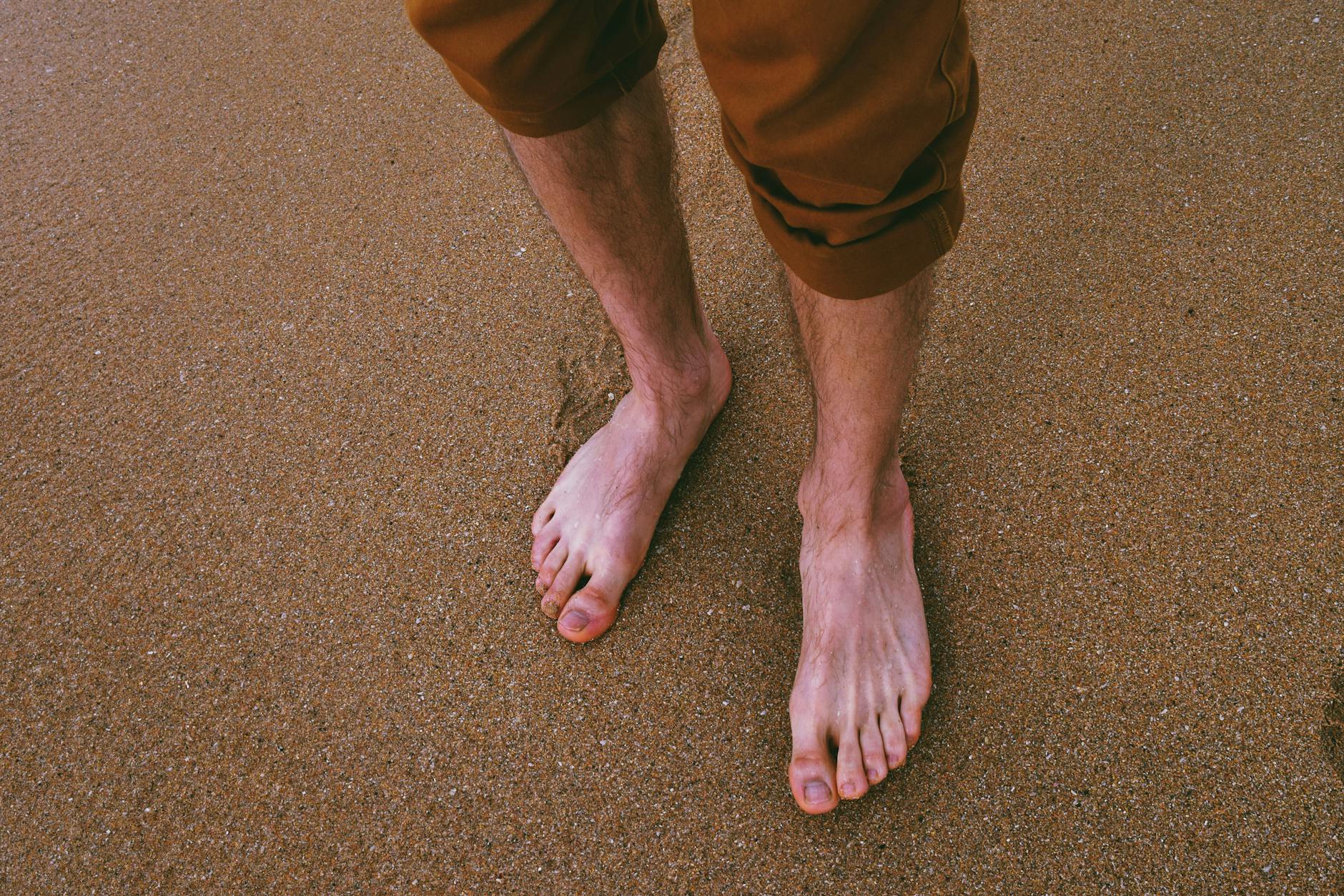
So, why barefoot running? The theory at the advent of barefoot running was that your feet actually weaken in shoes and running barefoot will support your natural muscles and biomechanics by learning to run barefoot. Sounds fair, right?

::Sedentary America has entered the chat::
So, here is the major issue with that reasoning. Most people who run are not professionals. They are people with jobs, kids, lives, and don’t have the ability to run daily and slowly build to complete barefoot style running. They tend to be more weekend warriors. You are supposed to start low and slow, i.e. on sand or soil where the ground is soft. Start with small duration (say 5 minutes, then put your shoes back on), and work up very gradually to harder surfaces and longer durations of time. Sounds reasonable, right??
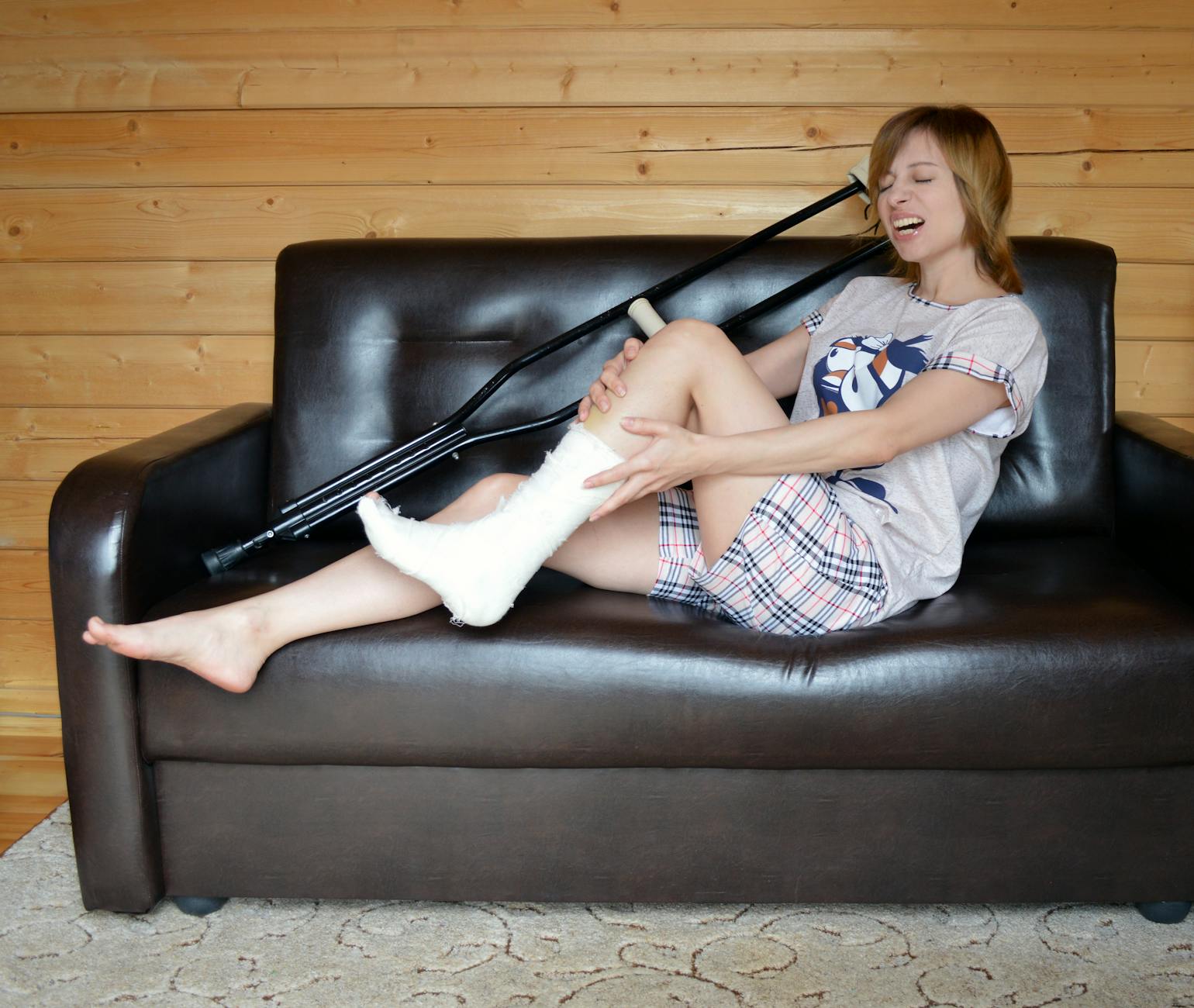
::Stress fractures has entered the chat::
So, when barefoot running, or even 5 finger shoes, were at their peak, I cannot tell you the deluge of metatarsal (ball of foot) stress fractures that cropped up in the general population. I am not saying that EVERYONE had issues. Some people, especially those who were lifelong runners with thinner frames and daily dedication to proper training, conditioning, and cross-training, did fine. But the vast majority? They kept me plenty busy.
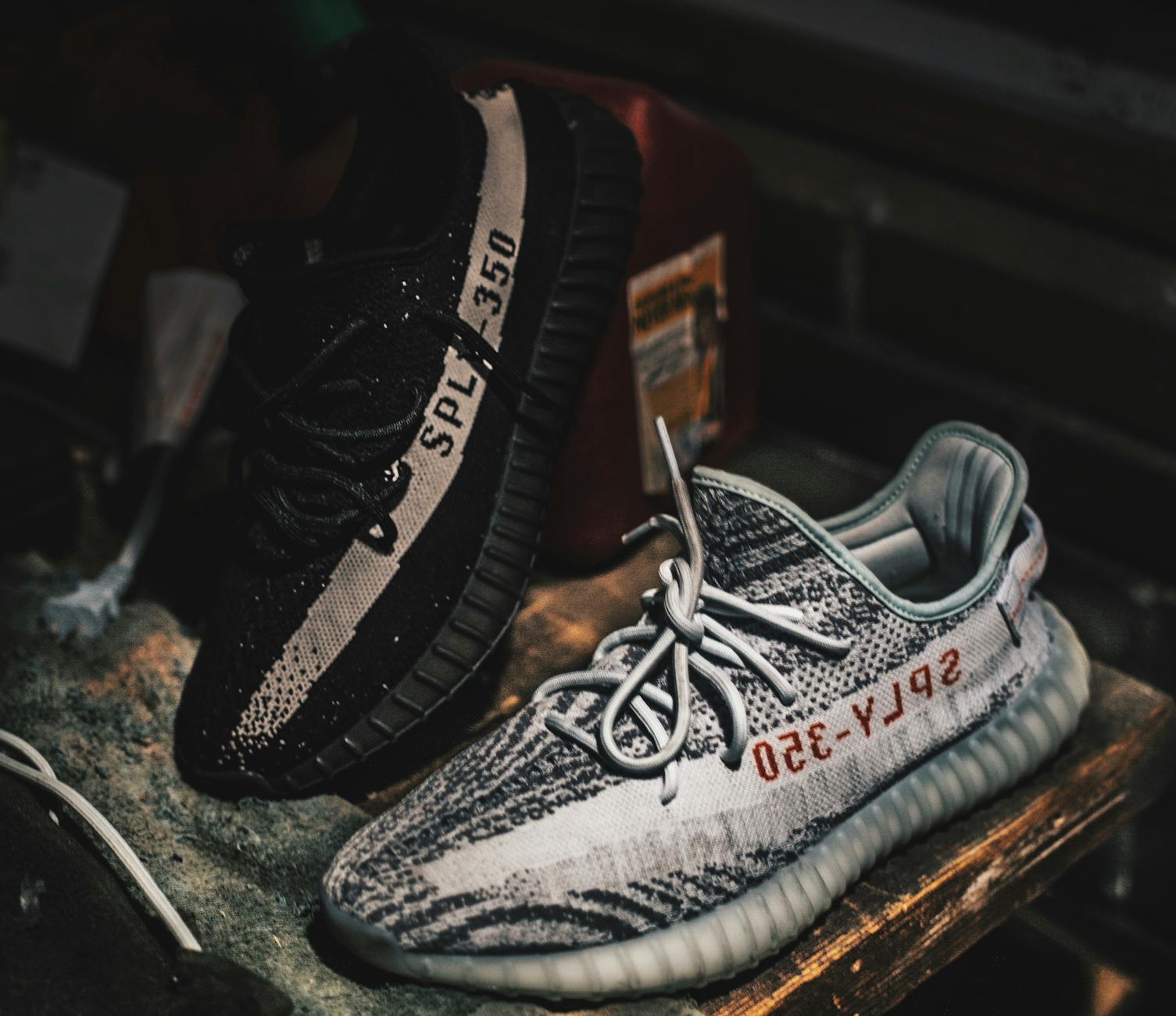
::Minimalist or heel drop shoes have entered the chat::
So, the market adjusted. There was a compromise starting to take ahold. OK, so 5 finger shoes and barefoot is too aggressive for the average runner? Then, “let’s make shoes lighter and less supportive! We will drop the heel lower than traditional running shoes, to mimic barefoot running but with a slightly more cushioned effect!” Well, let me just tell you. Achilles tendonitis and the “pump bump” on the heel became all the rage. Challenge is this – our feet really cannot typically handle a heel drop in a running shoe, especially for the average American runner. Unless you are a life-long runner, with a solid understanding of training efforts and dedication to doing it right, you are probably going to have issues.
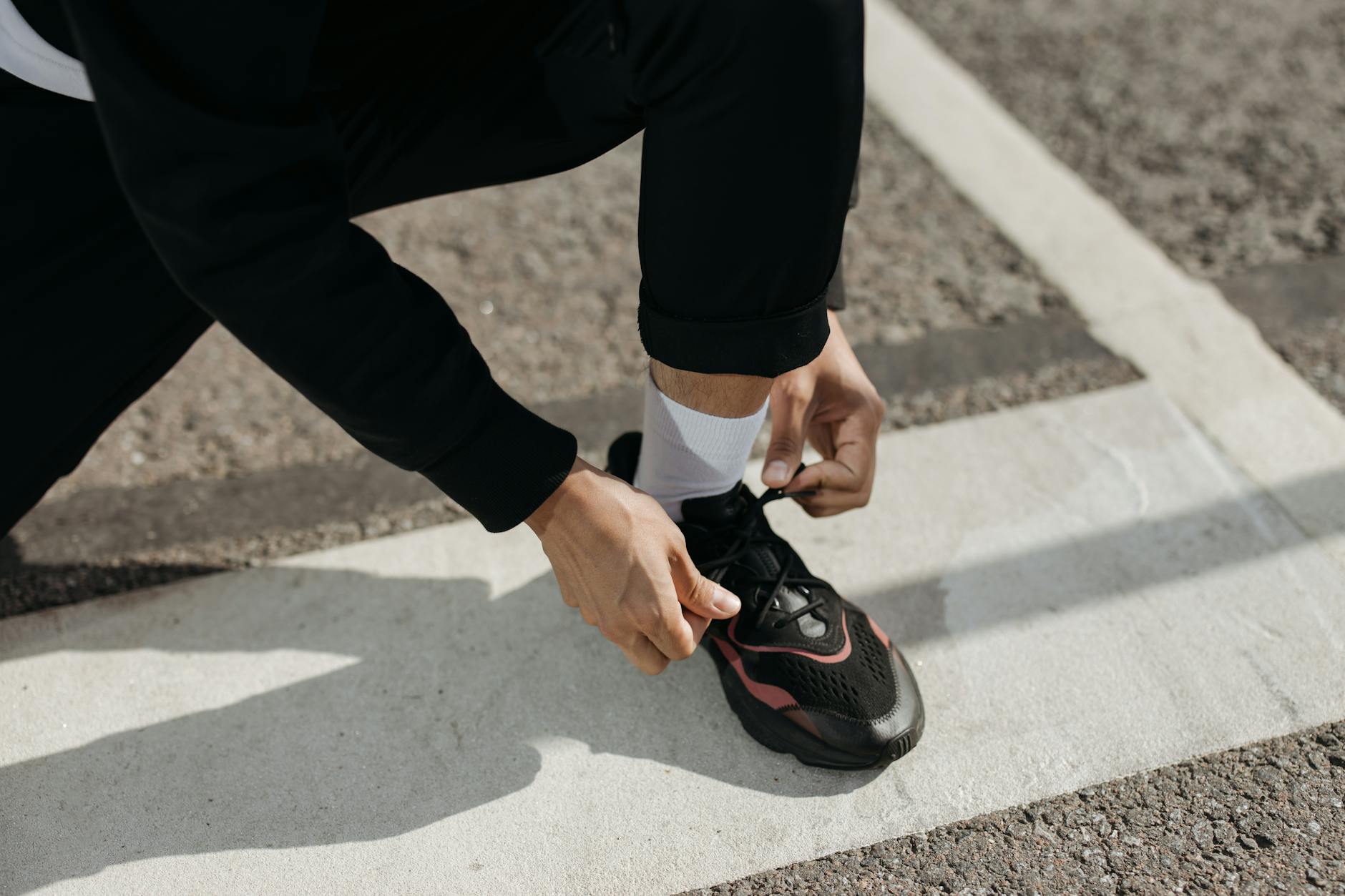
::Proper running shoes based on YOUR biomechanics and anatomy has entered the chat::
So, lets talk turkey. Just go to a specialty running store – I like Fleet Feet. They tend to be pretty consistent across the board and do not run off commission. So, they aren’t going to upsell you like New Balance. That being said, New Balance is a company that trains their sales people well (I worked for them in college), so if you get an ethical sales person, you will walk away with the right shoe for you. But both places will scan your feet, the best sales people will also watch you walk and/or run in the shoe, and even make recommendations for appropriate shoe inserts as necessary. If you want to run, and be healthy for as long as possible, just get the right shoes for you and your feet will almost certainly thank you!!
Heal today, transform tomorrow. Unlock your potential to heal, learn and grow. – Dr. Barb Wally, LLC
————————————————————————–
Note: These blog articles are not in exchange for a one on one Physical Therapy visit. Please contact me if you are interested in receiving a Physical Therapy visit!
*This content is original and copyright Dr Barb Wally, LLC*
 Telehealth Physical Therapy