
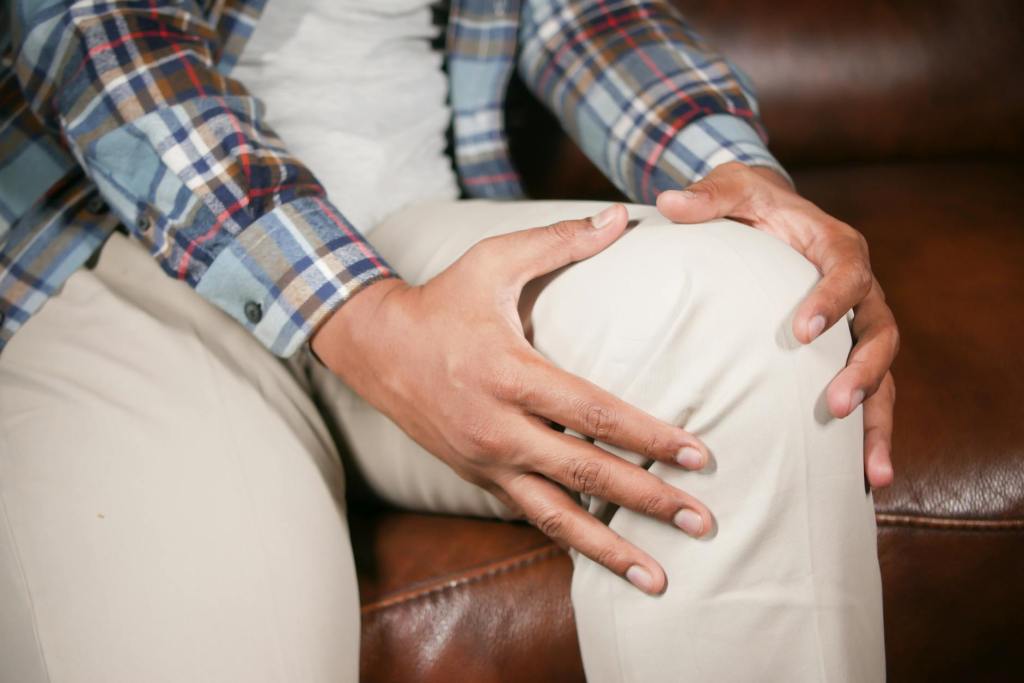
What in the world is a Baker’s Cyst? And why is it called that? Read on to learn more!

Why is it called that?
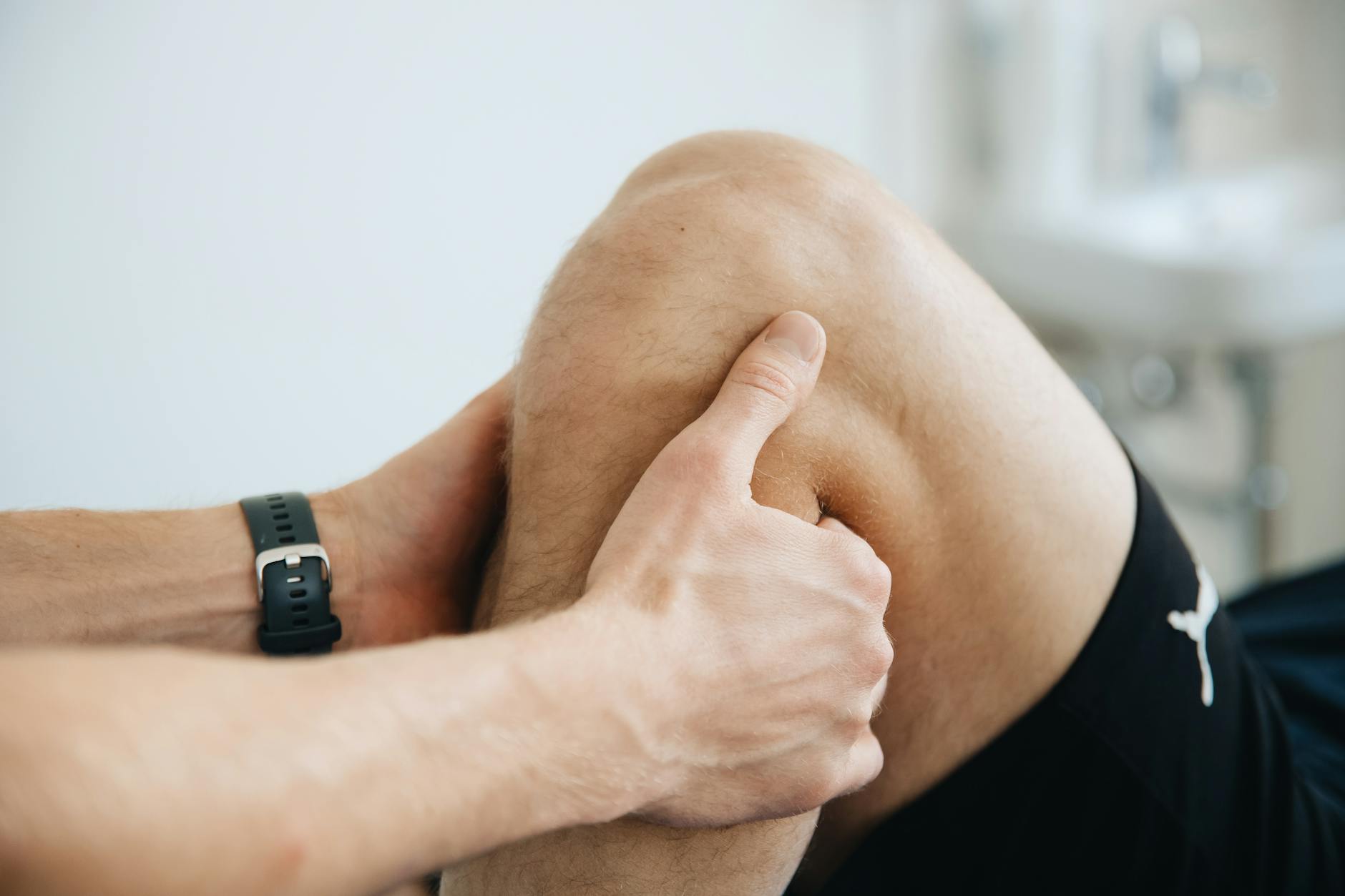
No, it is not a condition pastry chefs used to get. It is actually named after a doctor, Dr. William Morrant Baker, who first described the condition. This was back in the 19th century, but I promise Baker’s Cysts have been around long before that and will exist long after. These cysts are typically associated with swelling, pain, limited motion, and stiffness with the discomfort noted in the back of the knee. These cysts can typically be felt and can be a variety of sizes. Small cysts may even disappear and never come back.
What are they?
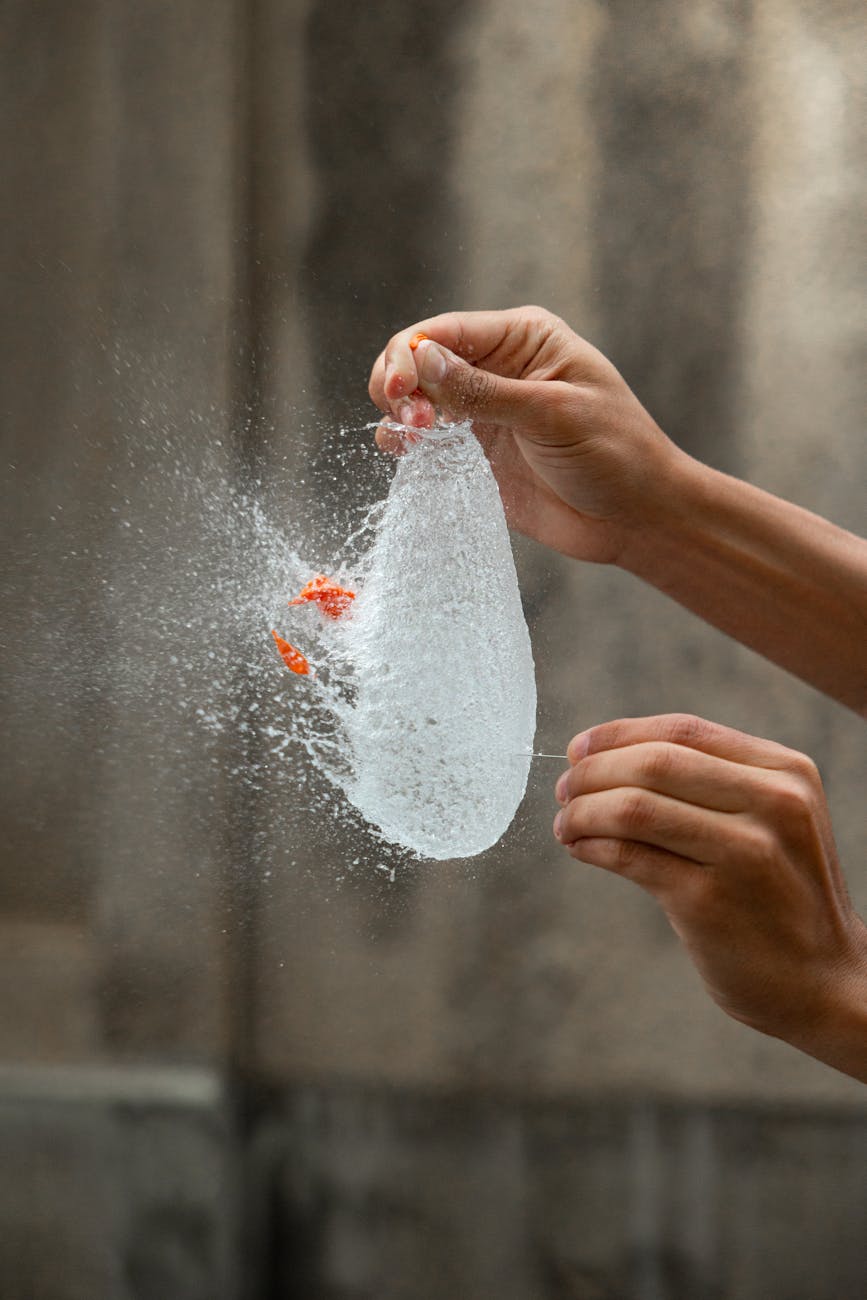
They are popliteal cysts (think: back of the knee). Our joints are held together with fibrous connective tissue, and this connective tissue holds the fluid inside of our joints. Think of it like a water balloon. But, when we suffer an injury or chronic inflammation that causes a joint to swell significantly, that water balloon has a hard time holding that fluid inside the joint. So, a weakened section of the joint can create a little fluid filled pouch to off-load the pressure of that fluid. And, the back of the knee tends to be the spot that these fluid filled sacks, or Baker’s Cysts, happen. So it is less that the Baker’s Cyst is the problem, and more that the Baker’s Cyst is a symptom of another problem.
What tends to cause them?
Very often, Baker’s Cysts are associated with meniscus tears or arthritis. Or, any kind of condition that can cause a lot of fluid to happen in a joint, and then stick around. Often times people will ask why they cannot just be removed, and it is because they can – but they often reoccur. Because the Baker’s Cyst is not the problem, the swelling and originating condition is.

So, how do you treat them?
Typically, and I am speaking to my clinical experience, you treat the swelling. This involves elevating the leg, using a compressive brace, taking Non-Steroidal Anti-inflammatories, icing, resting, or even massage to the back of the knee. And, treating or addressing the root of the cause. I have, however, seen many arthritic knees with Baker’s Cysts undergo a total knee replacement, just to see their Baker’s Cyst re-inflate and wreak havoc. But, as the healing processes goes on, it tends to deflate and the symptoms subside. Also, cysts can be drained with a needle. Or, a corticosteroid injection of the knee.
Still not sure what to do and need help? Reach out to me for Physical Therapy!
Heal today, transform tomorrow. Unlock your potential to heal, learn and grow. – Dr. Barb Wally, LLC
Note: These blog articles are not in exchange for a one on one Physical Therapy visit. Please contact me if you are interested in receiving a Physical Therapy visit!
*This content is original and copyright Dr Barb Wally, LLC*
 Telehealth Physical Therapy