Learn about whether anti-inflammatories inhibit healing from a Virtual Physical Therapist
This question has become more apparent than ever in my own personal life. I broke my foot, and required surgery. And, as most may know, there were subsequent surgical precautions to honor before and following surgery. One of which being to limit, and preferably eliminate, Non-Steroidal Anti-Inflammatory Drugs (NSAIDs). So, what’s the deal?
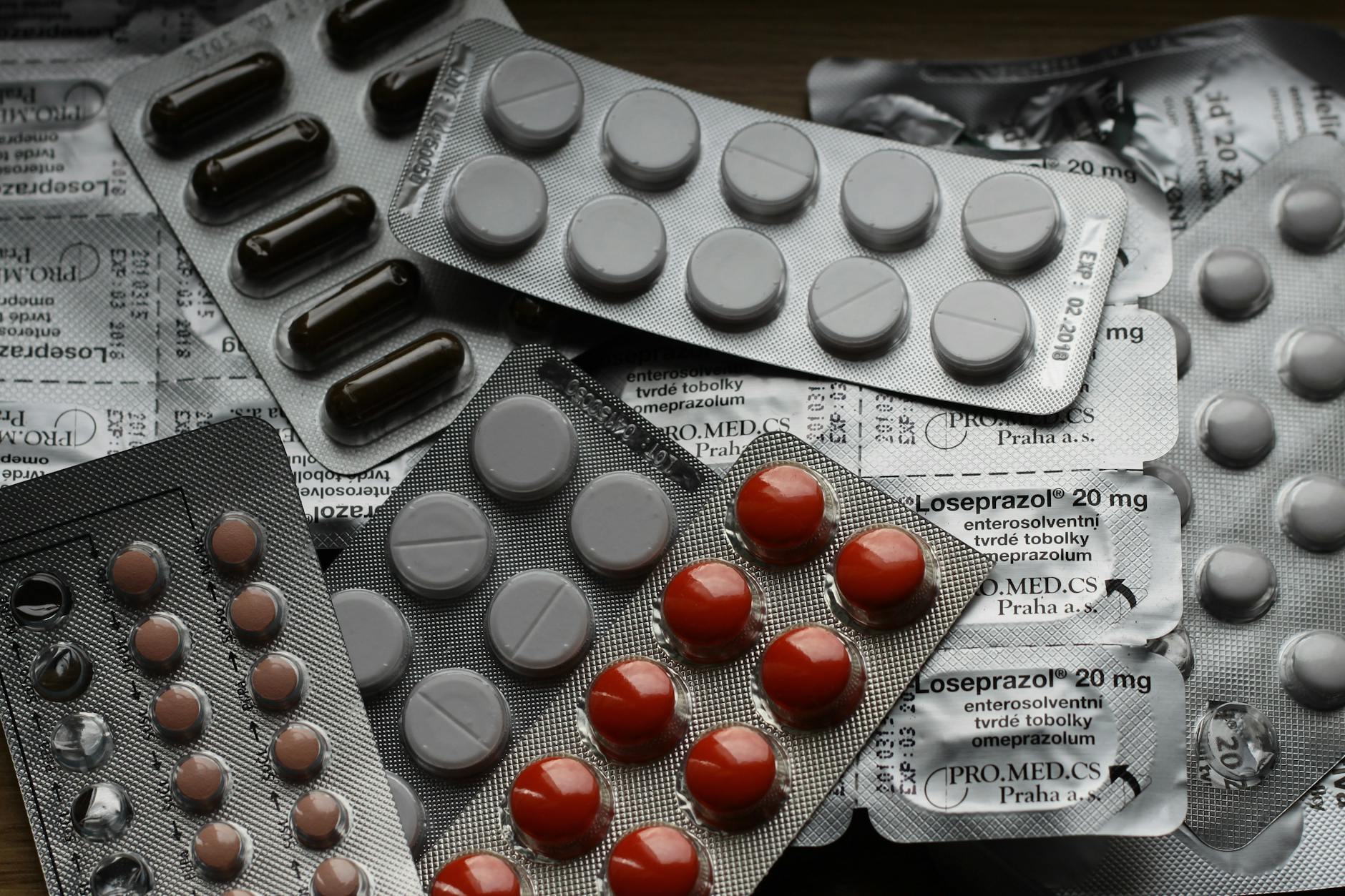
NSAIDs can come over the counter in the form of ibuprofen (brand name Advil), naproxen (brand name Aleve), or aspirin (brand name Bayer). Or, they can come in the form of a prescription known as meloxicam (brand name Mobic), celecoxib (Celebrex), or diclofenac (Voltaren). They are powerful drugs that have the capability to not only help reduce and control pain, but also to reduce swelling and inflammation. And, even if they are over the counter, they can come with a serious side effect of stomach ulcers or gastrointestinal bleeds. Especially if not taken with food, taken for too long, or too high of doses. They can also be hard on your kidneys and liver.
So – what is the problem? Well, some studies came out in the twenty-teens suggesting that NSAIDs may actually delay, prolong, or inhibit healing tissue. Especially bone. And, since no one likes to read research articles, let me do the heavy lifting for you!!

Thankfully there is a pretty awesome Meta-Analysis from 2024 that indicated “NSAIDs may have a minimal impact on non-union or delayed union risks. However, caution is advised due to the limited number of studies and the absence of a specific focus on NSAID types and dosages. Further research is necessary to better understand the implications of NSAID use on bone healing.” (1)
There is also a Meta-Analysis from 2021 that indicated “once the studies were categorized into the duration of treatment with NSAIDs, those who received NSAIDs for a short period (<2 weeks) did not show any significant risk of nonunion compared to those who received NSAIDs for a long period (>4 weeks).” (2)
And, a practice management guideline was released by Trauma Surgery and Acute Care Open indicating that “In patients with traumatic fractures, NSAIDs appear to reduce post-trauma pain, reduce the need for opioids and have a small effect on non-union. We conditionally recommend the use of NSAIDs in patients suffering from traumatic fractures as the benefit appears to outweigh the small potential risks.” (3)
So, what do I think? Like most things, there needs to be more research before pinning the tail on the donkey. However, it seems there is a risk of nonunion (ie: healing) if you take a lot of NSAIDs especially for a long period of time with a broken bone. The risk may be small, maybe even non-existent, but it is something to be wary of on the path to healing. As my own foot heals and I pray to the bone gods, I will be limiting and avoiding my use of my favorite NSAID, brand name Advil, until the bone is good to go. Why risk taking something and have a long list of shoulda, woulda, coulda in my head if healing does not go as planned?
That is my two cents and I am sticking to it!!
Heal today, transform tomorrow. Unlock your potential to heal, learn and grow. – Dr. Barb Wally, LLC
References:
- Chuang, P.-Y. et al. (2024) ‘Do NSAIDs affect bone healing rate, delay union, or cause non-union: an updated systematic review and meta-analysis’, Frontiers in Endocrinology, 15. Available at: https://doi.org/10.3389/fendo.2024.1428240.
- Al Farii, H. et al. (2021) ‘The effect of NSAIDs on postfracture bone healing: a meta-analysis of randomized controlled trials’, OTA International: The Open Access Journal of Orthopaedic Trauma, 4(2), p. e092. Available at: https://doi.org/10.1097/oi9.0000000000000092.
- Murphy, P.B. et al. (2023) ‘Efficacy and safety of non-steroidal anti-inflammatory drugs (NSAIDs) for the treatment of acute pain after orthopedic trauma: a practice management guideline from the Eastern Association for the Surgery of Trauma and the Orthopedic Trauma Association’, Trauma Surgery & Acute Care Open, 8(1), p. e001056. Available at: https://doi.org/10.1136/tsaco-2022-001056.
Note: These blog articles are not in exchange for a one on one Physical Therapy visit. Please contact me if you are interested in receiving a Physical Therapy visit!
*This content is original and copyright Dr Barb Wally, LLC*

